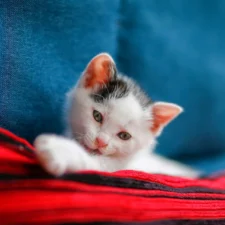


Bringing home a new kitten is exciting, entertaining, and often full of surprises. One minute your tiny feline companion is curled up in your lap, and the next they’re climbing furniture, chasing imaginary prey, or investigating every corner of the house. At Pendleton Veterinary Clinic, your trusted Pendleton, IN veterinary clinic, we love meeting all new patients. Of course, like many, we find kittens absolutely charming. Good kitten care focuses on helping young cats grow into healthy, confident adults through preventive care, wellness visits, vaccinations, and parasite protection.
Those first few months with your kitten are jam-packed with big milestones. Your little one’s immune system, bones, muscles, and social skills are all growing by leaps and bounds. Knowing what to expect at your kitten’s first vet visit, sticking to a good vaccine schedule, and following a handy health checklist will help your newest family member start on the right paw.
Why Early Veterinary Care Matters
Kittens grow and change remarkably fast during their first year of life. What happens during these early months can have a lasting impact on future health and wellness.
Regular vet visits let us keep an eye on your kitten’s growth, catch any little hiccups early, and chat about all things nutrition, behavior, and development.
Even if your kitten looks healthy, routine checkups are important. Some issues can be sneaky and aren’t always easy to spot at home.
Schedule Your First Kitten Vet Visit
Once you’ve welcomed your new kitten home (and snapped a few dozen photos), one of your first to-dos should be booking that first vet visit.
That first visit is a great chance to set up a health plan that’s just right for your kitten.
Early checkups help us establish a healthy baseline and catch concerns before they become bigger problems.
What Happens During the First Visit?
Your vet will give your kitten a thorough nose-to-tail check-up.
This may include evaluation of:
- Weight and body condition
- Heart and lung function
- Eyes and ears
- Skin and coat quality
- Teeth and gums
- Abdomen and internal organs
- Overall growth and development
We’ll also chat about feeding tips, litter box do’s and don’ts, socialization, and how to keep your home safe for your curious little explorer.
Follow a New Kitten Health Checklist
Bringing home a kitten comes with a to-do list that’s almost as long as your kitten’s tail.
Following a new kitten health checklist can help you stay organized and keep important healthcare milestones on track.
Essential Early Care Priorities
Most kittens need:
- Wellness examinations
- Vaccinations
- Parasite screening
- Nutritional guidance
- Preventive care planning
- Behavioral and socialization support
These early steps support healthy development and reduce the risk of preventable health issues.
Understanding the Kitten Vaccine Schedule
Vaccines are one of the most important parts of caring for your kitten.
Kittens get some early protection from their mom, but as those antibodies fade, vaccines help their immune system get ready to fight off certain diseases.
Since those maternal antibodies change over time, kittens usually need a series of vaccines in their first few months.
Why Multiple Vaccine Visits Are Needed
A vaccine schedule helps protect your kitten while their immune system is still getting up to speed.
Each vaccine visit builds on the last, helping your kitten’s immune system grow stronger.
Staying on schedule with vaccines gives your kitten steady protection as they grow.
Your veterinarian will recommend a vaccination plan based on your kitten’s age, lifestyle, and risk factors.
Kitten Parasite Prevention Starts Early
Parasites are pretty common in young kittens.
Some parasites can affect your kitten’s growth, digestion, and overall well-being. A few can even be a concern for people, too.
That’s why parasite prevention is such an important part of early vet care.
Common Parasites Found in Kittens
Veterinarians commonly monitor and discuss prevention of:
- Roundworms
- Hookworms
- Tapeworms
- Fleas
- Ticks
- Ear mites
Regular screenings and preventive care help us catch problems before they become bigger issues.
Nutrition Supports Healthy Growth
Kittens need different nutrition than adult cats to help them grow strong and healthy.
Their bodies require nutrients to support the development of muscles, bones, organs, and immune function.
Feeding your kitten the right food during their first year helps them grow and keeps their energy up for all that playing and exploring.
Monitoring Growth and Body Condition
Regular vet visits let us keep an eye on things like:
- Weight gain
- Body condition
- Growth patterns
- Developmental progress
Every kitten grows at their own pace, so regular check-ups are extra helpful.
Socialization Shapes Future Behavior
Kittens are like little sponges, soaking up everything about the world in those early months.
Giving your kitten lots of positive experiences now helps them grow into a confident, adaptable adult cat.
Socialization isn’t just about meeting new people. It’s about helping your kitten feel comfortable with all sorts of everyday sights and sounds.
Helpful Socialization Experiences
Positive introductions may include:
- New people
- Household sounds
- Car rides
- Gentle handling
- Grooming activities
- Veterinary visits
All these early experiences can help your cat handle stress better as they grow up.
Litter Box Habits and Training
Most kittens pick up litter box habits pretty quickly, but don’t be surprised if there are a few accidents while they’re settling in.
Keeping the litter box clean and easy to find helps your kitten build good habits.
Consistency is key during this stage.
If you run into litter box troubles, chatting with your vet can help you figure out whether there’s a medical or behavioral cause.
Dental Development During Kittenhood
Just like puppies, kittens lose their baby teeth as they grow.
Their adult teeth start coming in during those first few months.
This teething stage can mean extra chewing as your kitten explores their world.
Start Dental Habits Early
Getting your kitten used to dental care early on makes brushing and check-ups much easier later.
Gently handling your kitten’s mouth and slowly introducing tooth brushing can help them feel more comfortable with dental care as they grow up.
Healthy dental habits established during kittenhood often continue into adulthood.
Protecting Your Home From Curious Kittens
Kittens are naturally curious and adventurous.
Their desire to explore can occasionally place them in risky situations.
Common Household Hazards
Items that may create safety concerns include:
- Electrical cords
- Small objects
- Toxic plants
- Human medications
- Cleaning products
- String-like objects
Kitten-proofing your home helps reduce the likelihood of preventable accidents.
Monitoring Behavior and Development
Behavioral development is an important aspect of kitten care.
Kittens go through several developmental stages as they learn how to interact with people and their environment.
Pay attention to changes in behavior, appetite, activity level, or social interactions.
Topics Worth Discussing With Your Veterinarian
You should mention concerns such as:
- Excessive fearfulness
- Persistent hiding
- Aggression
- Poor appetite
- Lethargy
- Difficulty using the litter box
Catching things early gives us the best chance to help your kitten thrive.
Building a Foundation for Lifelong Health
The first year provides countless opportunities to support your kitten’s future well-being.
Regular vet visits, vaccines, parasite prevention, good nutrition, and socialization all help your kitten grow up strong and healthy.
Your furry friend is counting on you for care, protection, and guidance during this important stage.
The time and love you put in now can mean years of happy companionship ahead.
Petfinder has some good advice on adopting kitties. PetMD wrote about choosing the right foods for kittens.
FAQ
When should a kitten have its first veterinary visit?
A kitten should have its first veterinary visit shortly after coming home, ideally within the first few days. Early examinations help identify health concerns, establish a wellness plan, and begin important preventive care such as vaccinations and parasite screening.
Your veterinarian can also answer questions about nutrition, litter box habits, behavior, and socialization. Early veterinary care helps create a strong foundation for lifelong health.
What happens during a first kitten vet visit?
A first kitten vet visit typically includes a physical examination, weight assessment, evaluation of overall health, and discussions about vaccinations, parasite prevention, nutrition, and behavior. The goal is to establish a healthcare plan tailored to your kitten.
Your veterinarian will examine your kitten from nose to tail and may recommend testing or preventive care based on age, lifestyle, and medical history.
Why is a kitten vaccine schedule important?
A kitten vaccine schedule helps protect young cats while their immune systems are still developing. Multiple vaccine visits are needed because maternal antibodies gradually decrease, and vaccines help prepare the immune system to recognize and respond to infectious diseases.
Following the recommended schedule provides consistent protection during a vulnerable stage of growth and development.
Why is kitten parasite prevention necessary?
Kitten parasite prevention helps protect young cats from common parasites that can affect growth, digestive health, comfort, and overall wellness. Some parasites can also pose health risks to people in the household.
Routine screenings and preventive care allow veterinarians to identify problems early and recommend appropriate protection strategies.
What should be included on a new kitten health checklist?
A new kitten health checklist should include wellness exams, vaccinations, parasite prevention, nutrition guidance, socialization, litter box training, and routine health monitoring. These steps help support healthy growth and development during the first year.
Working closely with your veterinarian helps keep important milestones on schedule and allows concerns to be addressed promptly.
Schedule Your Kitten’s First Visit at Our Pendleton, IN Veterinary Clinic
The first year of kitten care is filled with important milestones that help support lifelong health. At Pendleton Veterinary Clinic, our animal hospital provides comprehensive kitten wellness care, guidance on the kitten vaccination schedule, parasite prevention recommendations, and support at every stage of development. If you need a first kitten vet visit in Pendleton, IN, or are searching online for a trusted “vet near me,” contact our veterinary clinic today to schedule your kitten’s appointment and help your newest feline family member start life on the right paw.
This blog is intended for informational purposes only. Always consult your veterinarian for personalized medical advice, diagnosis, treatment recommendations, and healthcare decisions regarding your pet.
Do you want to learn more about our Pendleton, IN, animal hospital? Our Service page is a great place to start. Here you’ll find overviews of all the top-notch veterinary care services we offer. These range from basics, such as Wellness and Vaccinations, to specialized care such as Laser Therapy, Critical Care, and more.