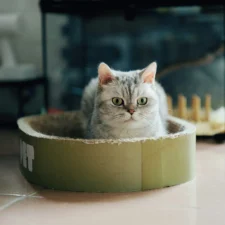


Few things frustrate cat owners more than discovering that their feline companion has suddenly stopped using the litter box. One day everything seems normal, and the next, you find urine or stool somewhere unexpected in your home. While it may be tempting to view the behavior as stubbornness or misbehavior, most cat litter box problems have an underlying explanation that deserves attention.
At Pendleton Veterinary Clinic, many cat owners from Anderson, IN seek help when a previously reliable cat begins having accidents. In many cases, litter box avoidance is your cat’s way of signaling that something is wrong. Whether the issue involves stress, discomfort, environmental changes, or medical concerns, understanding why cats stop using the litter box, recognizing the symptoms of cat urinary problems, and knowing when cat peeing outside the litter box requires veterinary attention can help you address the issue more effectively. A thorough cat vet exam in Anderson, IN is often the first step toward finding answers.
Is It Normal for Cats to Suddenly Stop Using the Litter Box?
Nope! If your cat suddenly stops using the litter box, it’s usually because something is bothering them—whether it’s a health issue, a change in their routine, or something else in their environment.
Cats are naturally tidy little creatures. As long as their litter box meets their standards (and let’s face it, cats have high standards), they’ll usually use it without complaint.
So, if your kitty’s bathroom habits suddenly change, don’t assume they’re just being naughty. There’s almost always a reason—and your cat is counting on you to help figure it out.
Why Cats Stop Using the Litter Box
There’s no one-size-fits-all answer to why cats stop using the litter box.
A whole mix of factors can lead to litter box avoidance, and sometimes more than one issue is at play.
Common Causes Include
- Urinary tract problems
- Arthritis
- Stress
- Anxiety
- Changes in routine
- Litter box cleanliness issues
- New pets in the household
- Medical conditions
- Environmental changes
With so many possible reasons, it can take a bit of detective work to get to the bottom of the problem.
Medical Problems Are Often the First Concern
When a cat suddenly starts missing the box, the first thing we, as vets, do is check for medical issues.
Pain, discomfort, or illness are often behind these sudden changes in behavior.
Why Medical Issues Matter
Cats may begin avoiding the litter box if they:
- Associate it with discomfort
- Have difficulty reaching it
- Experience increased urgency
- Feel pain while urinating
That’s why it’s always smart to have your cat checked by a vet before assuming it’s just a behavioral quirk.
Cat Urinary Problems Symptoms Can Affect Litter Box Habits
Urinary tract issues are among the most common medical reasons cats develop litter box problems.
If peeing becomes painful or tricky, many cats will change up their bathroom routine.
Common Cat Urinary Problems Symptoms
Watch for:
- Frequent trips to the litter box
- Straining to urinate
- Blood in urine
- Vocalizing while urinating
- Small urine amounts
- Increased licking of the genital area
- Urinating outside the litter box
If you notice these symptoms, contact your veterinarian as soon as possible.
Some urinary problems can go from bad to worse pretty quickly, so don’t wait to get help.
Cat Peeing Outside the Litter Box May Signal Pain
If your cat is peeing outside the box, don’t ignore it—many cats do this when they’re uncomfortable or in pain.
Cats may begin associating the litter box with pain and seek alternative locations instead.
What Owners Often Notice
You may find urine:
- Near the litter box
- On rugs
- On bedding
- In laundry piles
- On furniture
As annoying as this behavior can be, it’s usually your cat’s way of saying, ‘Hey, I’m not feeling great,’ not a case of bad manners.
Arthritis Can Affect Litter Box Use
A lot of folks don’t realize that arthritis can lead to litter box problems.
But arthritis is actually pretty common in older cats, and it can make getting in and out of the litter box tough or even painful.
Signs Arthritis May Be Contributing
Your feline friend may:
- Hesitate before entering the box
- Struggle with high sides
- Move more slowly
- Avoid stairs
- Show reduced mobility
If your senior kitty seems stiff or uncomfortable, try making the litter box easier to get into. Sometimes a lower-sided box or a ramp can make all the difference.
Stress Plays a Bigger Role Than Many Owners Realize
Cats are creatures of habit, and even small changes in their environment can throw them for a loop.
What seems minor to us—like moving a chair or changing your work schedule—can feel like a big deal to your cat.
Common Stress Triggers
Examples include:
- Moving
- New pets
- New family members
- Construction projects
- Changes in schedule
- Rearranged furniture
If your cat’s litter box issues started right after a big change, stress might be the culprit.
Multi-Cat Households Can Create Challenges
Most cats aren’t big fans of sharing their bathroom space.
If there’s competition or tension between your cats, it can definitely affect how they use the litter box.
Signs Household Dynamics May Be Involved
You may notice:
- One cat guarding the box
- Increased hiding behavior
- Inter-cat conflict
- Selective litter box use
Cats usually want easy access to a clean and private place to go to the bathroom.
Litter Box Cleanliness Matters
Cats have a well-earned reputation for being neat freaks.
If the litter box isn’t clean or comfortable, your cat might start avoiding it.
Common Litter Box Issues
Potential concerns include:
- Infrequent cleaning
- Strong odors
- Inadequate box size
- Poor placement
- Inappropriate litter type
Even small changes in how you clean or set up the litter box can make a difference in your cat’s behavior.
Location Can Affect Litter Box Use
The location of the litter box is important.
Most cats want a bathroom spot that’s private but not hard to reach.
Poor Locations May Include
- Busy hallways
- Noisy laundry rooms
- Areas near loud appliances
- Locations with frequent interruption. If your cat doesn’t feel safe using the litter box, they might look for another place to go. None
Changes in Litter Preferences
Cats can be very picky about the type of litter they use.
Some kitties will turn up their noses at changes in texture, scent, or even how the litter feels under their paws.
Potential Preference Issues
Cats may react to:
- New litter brands
- Scented litter
- Different textures
- Changes in box type
If your cat’s litter box problems start soon after a change, let your veterinarian know when it began. This information can help them figure out the cause.
Why Senior Cats Need Special Attention
Senior cats are more likely to develop health issues that can mess with their bathroom habits.
Common Senior Cat Concerns
These may include:
- Arthritis
- Kidney disease
- Diabetes
- Cognitive changes
- Urinary tract disease
Health problems related to age often come on slowly, so regular checkups are especially important for older cats.
What Happens During a Veterinary Evaluation?
A cat vet exam in Anderson, IN helps identify potential medical and behavioral causes of litter box concerns.
Because multiple factors may contribute, veterinarians often take a comprehensive approach.
Your Veterinarian May Discuss
- Symptom history
- Household changes
- Litter box setup
- Diet
- Water intake
- A complete checkup can help your vet figure out what’s causing the problem and suggest the best solutions.
Monitoring Additional Symptoms
Litter box issues rarely occur in isolation.
Watching for additional changes can provide valuable clues.
Symptoms Worth Mentioning
Be sure to report:
- Appetite changes
- Increased thirst
- Weight loss
- Vomiting
- Diarrhea
- Behavioral changes
- Mobility concerns
Sharing these details with your vet can help them find any underlying health problems.
Why Early Evaluation Matters
It’s easier to manage most litter box problems if you catch them early.
If you wait too long, any underlying health issues could get worse.
Benefits of Prompt Attention
Early evaluation may help:
- Identify medical concerns
- Improve comfort
- Prevent complications
- Reduce household frustration
- Support long-term health
The sooner a cause is identified, the sooner an appropriate management plan can begin.
Helping Your Cat Feel Comfortable Again
Most cat litter box problems can be improved once the underlying cause is identified.
Whether the issue involves stress, arthritis, urinary concerns, or environmental factors, addressing the root cause is the key to success.
Your cat is not trying to make life difficult. In many cases, litter box changes are one of the clearest ways cats communicate that they need help.
Listening to those signals and seeking veterinary guidance can help restore both comfort and consistency.
Purina has a good piece on litter boxes. You can read all about litter training your kitten in this PetMD article.
FAQ
Why is my cat suddenly peeing outside the litter box?
Cats peeing outside the litter box can result from medical conditions, stress, arthritis, litter box issues, environmental changes, or urinary tract problems. Because several causes are possible, veterinary evaluation is often recommended.
Changes in litter box habits should be viewed as an important signal that something may need attention.
What are the common symptoms of cat urinary problems?
Common symptoms of cat urinary problems include straining to urinate, frequent trips to the litter box, blood in the urine, vocalizing during urination, increased licking of the genital area, and urinating outside the litter box.
These symptoms should be evaluated promptly because some urinary conditions can become serious quickly.
Why do cats stop using the litter box?
Why cats stop using the litter box varies from one cat to another. Possible causes include stress, illness, pain, arthritis, litter box cleanliness concerns, environmental changes, and household dynamics.
Identifying the underlying reason is essential for resolving the problem.
When should I schedule a veterinary exam for litter box problems?
A veterinary exam is recommended whenever a cat suddenly changes litter box habits, especially if symptoms involve urinary changes, pain, blood in the urine, weakness, or other health concerns.
Prompt evaluation helps identify medical conditions before they worsen.
Can stress really cause litter box problems?
Yes. Stress can contribute significantly to litter box avoidance in some cats. Changes such as moving, new pets, schedule disruptions, and household changes may trigger behavioral responses.
However, medical causes should be ruled out before assuming stress is the sole explanation.
Schedule a Cat Wellness Visit at Our Anderson, IN Veterinary Clinic
Sudden cat litter box problems should never be ignored, especially when they involve cat peeing outside the litter box, cat urinary problems symptoms, or uncertainty about why cats stop using the litter box. At Pendleton Veterinary Clinic, our veterinarians provide thorough evaluations and can perform a cat vet exam in Anderson, IN to help identify the underlying cause. If your feline companion is experiencing litter box changes and you have been searching online for a trusted “vet near me,” contact our veterinary clinic today to schedule an appointment and help your cat feel more comfortable again.
This blog is intended for informational purposes only. Always consult your veterinarian for medical advice, diagnosis, treatment recommendations, behavioral concerns, and healthcare decisions regarding your pet.
Do you want to learn more about our Pendleton, IN, animal hospital? Our Service page is a great place to start. Here you’ll find overviews of all the top-notch veterinary care services we offer. These range from basics, such as Wellness and Vaccinations, to specialized care such as Laser Therapy, Critical Care, and more.