

Your home should be a safe place for every member of the family, including your pets. While many hazards are obvious to people, dogs, cats, and rabbits often explore the world very differently. Curious noses, chewing habits, climbing instincts, and natural foraging behaviors can sometimes lead pets directly toward danger. At Pendleton Veterinary Clinic, many pet owners in Anderson, IN, ask how to create a safer environment for their furry companions. One of the best ways to prevent accidents is by pet-proofing your home before problems occur.
Every species has unique risks. A dog may investigate a trash can, a cat may leap onto a high shelf, and a rabbit may decide that electrical cords make excellent chew toys. Understanding how to dog-proof your house safely, applying cat-proofing tips for curious cats, learning how to rabbit-proof your home, and recognizing common household hazards for pets can help protect your companions while giving you greater peace of mind.
Why Pet-Proofing Matters
Pets are naturally curious.
Exploration is a normal part of life for dogs, cats, and rabbits. Unfortunately, curiosity can sometimes expose them to hazards that humans overlook.
Many household emergencies involve items that seem harmless until a pet interacts with them.
Benefits of Pet-Proofing Your Home
A proactive approach may help:
- Reduce injuries
- Prevent accidental poisonings
- Limit emergency visits
- Improve overall safety
- Support long-term wellness
Small changes can often make a significant difference in reducing risk.
Common Household Hazards for Pets
Many everyday household items can pose problems for pets.
Some hazards are obvious, while others are easy to overlook.
Common Household Hazards for Pets Include
- Electrical cords
- Human medications
- Cleaning products
- Small objects
- Toxic plants
- Open trash containers
- Certain foods
- Loose strings and ribbons
Identifying these hazards is one of the first steps in effective pet-proofing your home.
Room-by-Room Safety Assessment
One of the easiest ways to identify risks is to view your home from your pet’s perspective.
Get down to their level and look around.
Questions to Ask
Consider:
- What could be chewed?
- What could be swallowed?
- What could be climbed on?
- What could fall?
- What could cause injury?
This simple exercise often reveals hazards that were previously unnoticed.
Dog-Proofing Your House Safely
Dogs often explore with their mouths.
Many canine companions investigate unfamiliar objects by chewing, licking, or carrying them around.
Dog-Proofing Your House Safely Starts With Storage
Keep the following secured:
- Medications
- Cleaning supplies
- Food items
- Trash
- Small objects
- Batteries
Cabinets, drawers, and secure storage areas can help prevent accidental access. Anything small or sharp is a danger, as are ropy or stringy items, plastic bags, and objects that are sharp or breakable. Ask your vet for more information.
Watch Out for Kitchen Hazards
Kitchens contain numerous items that may attract curious pets.
Interesting smells often encourage exploration.
Common Kitchen Risks
These include:
- Food scraps
- Trash cans
- Sharp utensils
- Cleaning chemicals
- Plastic wrap
- Small food packaging
Keeping counters clear and trash secured can help reduce risks.
Cat-Proofing Tips for Curious Cats
Cats are natural climbers and explorers.
Unlike many dogs, cats often access high shelves, countertops, and elevated furniture.
Cat-Proofing Tips for Curious Cats
Pay attention to:
- Unstable decorations
- Open windows
- Breakable items
- Hanging cords
- Small objects
Cats frequently investigate areas owners never expected them to reach.
Evaluating vertical spaces is an important part of feline safety planning.
Window and Balcony Safety
Cats often enjoy watching outdoor activity.
However, open windows and elevated spaces can create hazards.
Important Safety Considerations
Consider:
- Secure window screens
- Monitoring balcony access
- Checking screen integrity regularly
- Removing unstable perches
A damaged screen may not provide adequate protection for an enthusiastic climber.
Rabbit-Proofing Your Home
Rabbits require special consideration because of their strong chewing instincts.
Many rabbits investigate their surroundings by chewing objects they encounter.
Rabbit-Proofing Your Home Begins With Cords
Electrical cords are among the most common hazards for rabbits.
Protect:
- Power cords
- Charging cables
- Computer wires
- Television cords
Keeping cords inaccessible helps reduce both injury risks and property damage.
Why Rabbits Need Extra Supervision
Rabbits are intelligent and surprisingly resourceful.
Areas that seem safe initially may contain hidden risks.
Potential Rabbit Hazards
These may include:
- Baseboards
- Furniture legs
- Carpet edges
- Houseplants
- Small spaces
Supervised exploration helps owners identify problem areas before accidents occur.
Toxic Plants Can Be Dangerous
Many decorative plants are harmless, but some can create problems if chewed or consumed.
Plant Safety Considerations
Before bringing plants into your home:
- Verify pet safety
- Research species carefully
- Keep questionable plants inaccessible
If you are uncertain whether a plant is safe, consult your veterinarian.
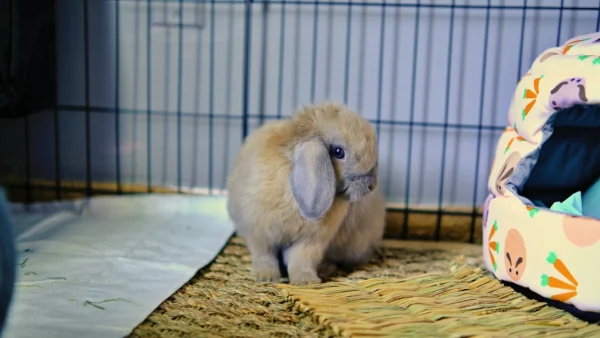
Plant-related concerns are among the more overlooked common household hazards for pets. This goes triple for bunnies, as Floppy is basically an adorable chewing machine.
Secure Small Objects
Pets often investigate small items that accidentally fall onto the floor.
Objects Worth Monitoring
Examples include:
- Coins
- Jewelry
- Hair ties
- Rubber bands
- Buttons
- Children’s toys
Even small objects can create choking hazards or digestive tract obstructions.
Regularly checking floors can help reduce risks.
Laundry Rooms Need Attention Too
Laundry areas contain several potential hazards.
Common Risks Found in Laundry Rooms
These include:
- Detergents
- Fabric products
- Small clothing items
- Open appliances
Curious pets may investigate washing machines or dryers if doors are left open.
Checking appliances before use is always a good habit.
Bathroom Safety Is Important
Bathrooms contain numerous products that may be appealing to pets.
Common Bathroom Hazards
Examples include:
- Medications
- Personal care products
- Cleaning supplies
- Dental products
Keeping cabinets closed and products stored securely helps reduce accidental exposure.
Holiday Decorations Require Extra Caution
Seasonal decorations can be exciting for people but confusing for pets.
Holiday Hazards May Include
- Ribbons
- Ornament hooks
- Electrical lights
- Decorative plants
- Packaging materials
Pets often view these items as toys, creating opportunities for accidents.
Additional supervision during holidays is often beneficial.
Create Safe Spaces for Each Pet
Providing species-appropriate safe areas can help reduce risk and stress.
Helpful Safe Space Features
Depending on the pet, consider:
- Comfortable bedding
- Quiet locations
- Appropriate enrichment
- Easy access to food and water
Safe spaces encourage pets to rest and relax away from household activity.
Why Supervision Still Matters
Even the best plan to pet-proof your home cannot eliminate every risk.
Pets continually find creative ways to explore their environment.
Ongoing Observation Helps
Regular supervision allows you to:
- Identify new hazards
- Monitor behavior
- Adjust safety measures
- Prevent accidents
Pet safety is an ongoing process rather than a one-time project.
Preparing for Emergencies
Despite careful planning, emergencies can still occur.
Being prepared can help you respond more quickly if a problem develops.
Helpful Information to Keep Available
Consider maintaining:
- Veterinary contact information
- Emergency clinic information
- Medication records
- Pet identification details
Having information readily available can save valuable time during an emergency.
When Should You Contact a Veterinarian?
If you suspect your pet has been exposed to a hazardous substance or swallowed something inappropriate, contact your veterinarian promptly.
Seek Veterinary Attention If Your Pet Shows
- Vomiting
- Diarrhea
- Lethargy
- Difficulty breathing
- Loss of appetite
- Neurological changes
Early evaluation often provides the best opportunity to address concerns effectively.
Creating a Safer Home for Every Pet
Successful pet-proofing your home involves understanding how each species interacts with its environment.
Dogs, cats, and rabbits all have unique behaviors that influence the risks they encounter. By applying dog-proofing strategies for your house safely, following cat-proofing tips for curious cats, investing time in rabbit-proofing your home, and staying aware of common household hazards for pets, you can create a safer environment that supports your pets’ health and happiness for years to come.
Read more petproofing tips at the American Humane Society website. The American Animal Hospital Association also has posted several tips on petproofing.
FAQ
What does pet-proofing your home involve?
Pet-proofing your home involves identifying and reducing hazards that could injure or endanger pets. This may include securing medications, protecting electrical cords, removing toxic plants, storing chemicals safely, and limiting access to dangerous areas.
A room-by-room safety assessment can help identify potential risks.
How can I start dog-proofing my house safely?
Safely dog-proofing your house often begins by securing food, medications, trash, cleaning supplies, and small objects that could be swallowed. Monitoring chewing behaviors and restricting access to hazardous items can also help reduce risks.
Dogs frequently explore with their mouths, making secure storage especially important.
What are some cat-proofing tips for curious cats?
Helpful cat-proofing tips for curious cats include securing breakable objects, checking window screens, monitoring climbing areas, removing dangerous cords, and limiting access to hazardous spaces.
Cats often investigate elevated locations, so vertical spaces deserve special attention.
What should I know about rabbit-proofing your home?
Rabbit-proofing your home typically focuses on protecting electrical cords, restricting access to toxic plants, monitoring chewing opportunities, and supervising free-roaming time.
Rabbits naturally chew as part of their normal behavior, making environmental safety especially important.
What are common household hazards for pets?
Common household hazards for pets include medications, cleaning products, electrical cords, toxic plants, batteries, small objects, food scraps, and unsecured trash containers.
Recognizing these risks early can help prevent accidents and injuries.
Schedule a Wellness Visit at Our Anderson, IN Veterinary Clinic
Creating a safer home is one of the best ways to protect your pets from preventable injuries. At Pendleton Veterinary Clinic, our veterinarians can provide guidance on pet-proofing your home, dog-proofing your house safely, cat-proofing tips for curious cats, rabbit-proofing your home, and identifying common household hazards for pets. If you have questions about your pet’s safety needs or have been searching online for a trusted “vet near me,” contact our veterinary clinic today to schedule an appointment and discuss personalized recommendations for your household.
This blog is intended for informational purposes only. Always consult your veterinarian for medical advice, diagnosis, treatment recommendations, safety guidance, and healthcare decisions regarding your pet.
Do you want to learn more about our Pendleton, IN, animal hospital? Our Service page is a great place to start. Here you’ll find overviews of all the top-notch veterinary care services we offer. These range from basics, such as Wellness and Vaccinations, to specialized care such as Laser Therapy, Critical Care, and more.