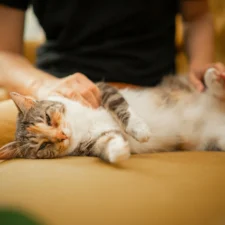


It can be confusing and concerning when your feline companion seems eager for meals but continues to lose weight. Many pet owners assume that weight loss occurs only when a cat stops eating, so seeing a healthy appetite alongside a shrinking waistline often raises questions. At Pendleton Veterinary Clinic, your trusted Pendleton, IN, veterinary clinic, weight loss in cats is a common reason for veterinary visits, especially among middle-aged and senior cats.
While some causes of weight loss are relatively manageable, others may indicate an underlying medical condition that requires prompt attention. If your cat is losing weight but eating well, it is important not to dismiss the change as a normal part of aging. Conditions associated with hyperthyroidism symptoms in cats, diabetes signs in cats, and other health concerns can contribute to unexplained weight loss. Understanding what might be happening can help you know when to schedule a cat wellness exam.
Is Weight Loss Ever Normal in Cats?
Cats may experience minor fluctuations in weight throughout their lives, but noticeable or ongoing weight loss is generally not considered normal.
Cats are good at hiding when they don’t feel well, so weight loss can be one of the first signs that something is wrong. Even if your cat seems happy and eats normally, a vet should check unexplained weight loss.
Finding health problems early gives you and your vet more ways to help your cat.
Why Is My Cat Losing Weight but Eating Well?
One of the most common questions veterinarians hear is why a cat continues eating normally while losing weight.
Often, the reason has to do with how your cat’s body uses food, hormones, or energy. Your cat might eat enough, but their body may not use those calories properly.
Potential Causes Include
- Hyperthyroidism
- Diabetes
- Digestive disorders
- Kidney disease
- Dental disease
- Intestinal parasites
- Certain chronic illnesses
Since many health problems can look the same, your vet may need to run tests to find out what’s really going on.
Hyperthyroidism Is a Common Cause
One of the leading causes of cat weight loss in older cats is hyperthyroidism.
This condition occurs when the thyroid gland produces excessive amounts of thyroid hormone. The increased hormone levels speed up the body’s metabolism, causing cats to burn calories faster than normal.
This means many cats lose weight even though they keep eating or seem hungrier than usual.
Hyperthyroidism Symptoms in Cats
Common hyperthyroidism symptoms in cats include:
- Weight loss despite a good appetite
- Increased hunger
- Restlessness
- Increased activity
- Increased thirst
- Increased urination
- Changes in coat quality
Some cats may appear unusually energetic while simultaneously becoming thinner.
These symptoms usually show up slowly, so it’s easy for pet owners to miss them at first.
Diabetes Can Lead to Weight Loss
Another common explanation for a cat losing weight but eating well is diabetes mellitus.
Diabetes affects the body’s ability to properly use glucose for energy. When glucose cannot enter cells effectively, the body begins breaking down fat and muscle tissue for fuel.
This can cause your cat to lose a lot of weight, even if they’re still eating well.
Diabetes Signs in Cats
Common diabetes signs in cats include:
- Increased appetite
- Weight loss
- Increased thirst
- Increased urination
- Muscle loss
- Changes in activity level
Cats with diabetes often act hungry all the time because their bodies can’t use food the way they should.
Finding out what’s wrong quickly helps your vet make a good plan to care for your cat.
Digestive Disorders Can Affect Nutrient Absorption
Sometimes weight loss occurs because nutrients are not being properly absorbed in the digestive tract.
Even if your cat eats enough, some stomach or gut problems can stop them from getting the nutrients they need.
Conditions That May Affect Digestion
Examples include:
- Inflammatory bowel disease
- Chronic gastrointestinal disorders
- Food sensitivities
- Intestinal infections
Digestive problems can happen with or without vomiting or diarrhea.
Sometimes, slow weight loss is the main thing you’ll notice.
Kidney Disease Is Common in Senior Cats
Kidney disease is one of the most frequently diagnosed conditions in older cats.
The kidneys do many important jobs, such as removing waste from the blood. When they don’t work as well, your cat might lose weight and show other changes.
Additional Signs of Kidney Disease
Cats may experience:
- Increased thirst
- Increased urination
- Reduced appetite
- Vomiting
- Changes in energy level
Regular checkups can help find kidney disease before it causes serious problems.
Dental Problems Can Contribute to Weight Loss
Cats are very good at hiding mouth pain.
A cat with a sore mouth might still go to the food bowl and seem interested in eating, but pain can stop them from eating enough.
Signs of Dental Disease
Watch for:
- Bad breath
- Drooling
- Difficulty chewing
- Dropping food
- Pawing at the mouth
- Reduced grooming
Dental disease is common in adult and senior cats and can contribute to weight loss over time.
Regular dental evaluations are an important part of preventive care.
Intestinal Parasites May Play a Role
Although parasites are often associated with kittens, adult cats can also be affected.
Certain intestinal parasites compete for nutrients and may interfere with digestion.
Potential Signs of Parasites
Symptoms may include:
- Weight loss
- Changes in stool quality
- Digestive upset
- Dull coat condition
Routine parasite screening helps identify concerns before they become more significant health problems.
Muscle Loss Versus Weight Loss
Not all weight loss is the same.
In some cases, what appears to be simple weight loss is actually a loss of muscle mass.
Why Muscle Condition Matters
Veterinarians evaluate both:
- Body weight
- Muscle condition
A cat may maintain a relatively stable body weight while gradually losing muscle tissue.
This can occur with aging, hormonal disorders, chronic illness, and other health conditions.
Monitoring muscle condition provides a more complete assessment of overall health.
How Veterinarians Diagnose Unexplained Weight Loss
Determining the cause of cat weight loss often requires a comprehensive evaluation.
Because many conditions produce similar symptoms, veterinarians rely on physical examinations, medical history, and diagnostic testing to reach a diagnosis.
What Happens During a Cat Wellness Exam?
A cat wellness exam may include:
- Physical examination
- Weight assessment
- Body condition evaluation
- Medical history review
- Discussion of appetite changes
- Discussion of behavior changes
Depending on findings, additional testing may be recommended to identify the underlying cause.
The goal is to determine why weight loss is occurring rather than simply treating the symptom itself.
Why Early Detection Matters
Cats are masters at hiding illness.
By the time obvious symptoms appear, an underlying condition may have been developing for weeks or months.
Monitoring your cat’s weight at home can help identify changes sooner.
Signs That Warrant Veterinary Attention
Schedule an appointment if you notice:
- Ongoing weight loss
- Increased appetite
- Increased thirst
- Increased urination
- Vomiting
- Diarrhea
- Muscle loss
- Behavioral changes
Even subtle changes deserve attention when they persist.
Monitoring Your Cat at Home
You know your feline companion better than anyone.
Paying attention to small changes can provide valuable clues about your cat’s health.
Helpful Things to Monitor
Keep track of:
- Appetite
- Water consumption
- Activity level
- Weight
- Grooming habits
- Litter box behavior
Sharing these observations with your veterinarian can help guide diagnosis and treatment recommendations.
Supporting Long-Term Feline Health
Routine wellness care remains one of the most effective ways to monitor your cat’s health over time.
Regular examinations help identify developing concerns before they become advanced.
Whether your kitty is a playful young adult or a distinguished feline overlord enjoying their senior years, ongoing preventive care supports long-term health and comfort.
When it comes to unexplained weight loss, earlier evaluation often leads to earlier answers.
Chewy has an article on signs of pain in cats. Cats Protection also has a helpful piece on the signs that your cat is sick.
FAQ
Why is my cat losing weight but still eating?
A cat losing weight while eating normally may have an underlying medical condition affecting metabolism, nutrient absorption, hormone levels, or energy expenditure. Common causes include hyperthyroidism, diabetes, digestive disorders, kidney disease, and other chronic health conditions.
Because multiple conditions can produce similar symptoms, veterinary evaluation and diagnostic testing are often needed to identify the cause and recommend appropriate treatment.
What are common hyperthyroidism symptoms in cats?
Common hyperthyroidism symptoms in cats include weight loss despite a good appetite, increased hunger, restlessness, increased thirst, more frequent urination, and changes in coat quality. The condition most commonly affects middle-aged and senior cats.
Hyperthyroidism causes the body to burn energy faster than normal. Early diagnosis can help veterinarians develop an effective management plan.
What are diabetes signs in cats?
Diabetes signs in cats often include weight loss, increased appetite, increased thirst, increased urination, and reduced muscle mass. Some cats may appear hungry all the time while continuing to lose weight.
Because diabetes can affect multiple body systems, prompt veterinary evaluation is important whenever these symptoms develop.
When should my cat have a wellness exam?
Cats should receive regular wellness examinations throughout life, and any cat experiencing unexplained weight loss should be evaluated promptly. Wellness exams help identify medical concerns before symptoms become severe.
Routine visits allow veterinarians to monitor weight, body condition, organ function, and overall health while discussing any changes you have noticed at home.
Is weight loss always a sign of a serious problem?
Not every case of weight loss indicates a serious illness, but unexplained weight loss should never be ignored. Even when a cat appears healthy and continues eating normally, ongoing weight loss may signal an underlying condition that requires veterinary attention.
The sooner a cause is identified, the sooner appropriate care and management can begin.
Schedule a Cat Wellness Exam at Our Pendleton, IN Veterinary Clinic
Unexplained cat weight loss should never be dismissed, especially when your cat is still eating normally. At Pendleton Veterinary Clinic, our veterinarians in Pendleton, IN, can evaluate concerns such as a cat losing weight despite eating well, hyperthyroidism symptoms in cats, diabetes signs in cats, and other health conditions that may contribute to weight loss. If you need a cat wellness exam in Pendleton, IN, or have been searching online for a trusted “vet near me,” contact our veterinary clinic today to schedule an appointment and help your feline companion stay healthy and comfortable.
This blog is intended for informational purposes only. Always consult your veterinarian for medical advice, diagnosis, treatment recommendations, and healthcare decisions regarding your pet.
Do you want to learn more about our Pendleton, IN, animal hospital? Our Service page is a great place to start. Here you’ll find overviews of all the top-notch veterinary care services we offer. These range from basics, such as Wellness and Vaccinations, to specialized care such as Laser Therapy, Critical Care, and more.