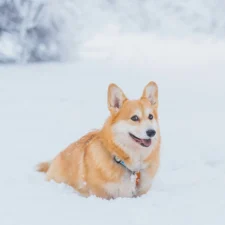


Winter weather can be challenging for pets of all ages, but senior dogs and cats often need extra support when temperatures drop. Colder conditions may affect mobility, skin health, comfort, and overall well-being, especially for pets already dealing with age-related health concerns. At Pendleton Veterinary Clinic, your trusted Pendleton, IN veterinary clinic, winter pet safety becomes an important topic as Indiana’s colder months approach.
Snow, ice, freezing temperatures, and dry indoor air can create unique challenges for aging pets. Understanding cold-weather tips for senior dogs, practical winter care for senior cats, and strategies for winter pet safety in Indiana can help keep your furry companions comfortable throughout the season. A proactive approach, combined with routine senior pet wellness, can help your pet enjoy the winter months safely.
Why Senior Pets Are More Sensitive to Winter Weather
As pets age, their bodies often become less adaptable to environmental changes.
Many older dogs and cats have health issues that make it harder for them to handle cold weather. Problems like arthritis, reduced muscle strength, trouble moving, and other long-term conditions can make them more sensitive in winter.
Even healthy older pets may have a harder time maintaining a stable body temperature than younger animals.
Common Winter Challenges for Senior Pets
Older pets may experience:
- Increased joint stiffness
- Reduced mobility
- Difficulty maintaining body heat
- Dry skin
- Reduced activity levels
- Increased discomfort during cold weather
Knowing about these challenges can help you adjust your pet’s daily routine to keep them comfortable.
Winter Safety Tip #1: Keep Senior Pets Warm and Dry
Keeping your pet warm is one of the most important parts of winter safety.
While some pets enjoy spending time outdoors during cooler weather, senior animals generally benefit from shorter outdoor exposures when temperatures become extremely cold.
Helping Pets Stay Comfortable
Consider:
- Providing warm bedding
- Avoiding prolonged outdoor exposure
- Drying pets thoroughly after walks
- Keeping sleeping areas away from drafts
- Providing cozy resting locations
For many senior pets, a warm and comfortable resting space becomes especially important during winter.
Winter Care for Senior Cats Indoors
Many cats spend much of the winter seeking warm places throughout the home.
To care for older cats in winter, make sure they have warm, comfortable resting spots that are easy for them to reach.
If your cat has trouble moving around, try placing beds on the floor or other low spots so they don’t have to climb or jump.
Winter Safety Tip #2: Protect Aging Joints
Cold weather can make arthritis symptoms worse and easier to notice.
Pets with joint problems often feel stiffer when it gets colder.
Cold Weather Tips for Senior Dogs With Arthritis
Helpful cold weather tips for senior dogs include:
- Maintaining moderate daily exercise
- Warming up before walks
- Avoiding icy surfaces
- Providing supportive bedding
- Monitoring mobility changes
It’s still important for pets with arthritis to move around, but you may need to change their activities depending on the weather.
Watch for Signs of Increased Joint Discomfort
You may notice:
- Slower movement
- Difficulty standing
- Reluctance to walk
- Hesitation on stairs
- Increased sleeping
Talk to your veterinarian about these changes, especially if they get worse in winter.
Winter Safety Tip #3: Prevent Slips and Falls
Ice, snow, and slippery indoor floors can increase the risk of injuries for senior pets.
Older dogs and cats often have less balance and muscle strength, so they are more likely to fall.
Making Your Home Safer
Simple changes can help reduce risks:
- Place rugs on slippery floors
- Keep walkways clear
- Remove ice from outdoor paths
- Provide traction near food and water bowls
- Use non-slip surfaces where possible
These changes can help older pets move around your home more safely.
Outdoor Safety Matters Too
Snow can hide ice, uneven ground, and other dangers outside.
Watching your pet when they are outside can help prevent accidents.
If your pet has trouble moving, try taking them on shorter, more supervised walks during winter.
Winter Safety Tip #4: Pay Attention to Skin and Paw Health
Winter can be tough on your pet’s skin and paws.
Cold air outside and dry heat inside can both cause your pet’s skin to get dry or irritated.
Common Winter Skin Concerns
Some pets may develop:
- Dry skin
- Flaking
- Increased itching
- Paw irritation
- Cracked paw pads
Keep an eye on your pet’s skin and coat during winter so you can catch any problems early.
Protecting Paws During Winter
Paw care is an important part of winter pet safety in Indiana.
After outdoor walks:
- Check paws for irritation
- Remove snow or ice accumulation
- Inspect for cuts or abrasions
- Dry paws thoroughly
Checking your pet’s paws regularly can help prevent small issues from becoming bigger problems.
Winter Safety Tip #5: Stay Current With Senior Wellness Care
Regular vet visits are important year-round, but winter is a good time to check for any age-related health issues.
A wellness visit lets you talk about changes in your pet’s movement, comfort, activity, and overall health.
Benefits of Senior Pet Wellness Visits
Regular senior pet wellness may help:
- Monitor chronic conditions
- Assess mobility
- Evaluate body condition
- Identify emerging concerns
- Review preventive care plans
These checkups help make sure your pet has the support they need for winter.
Exercise Still Matters During Winter
Some people cut back on their pet’s activity a lot when it’s cold outside.
It’s okay to adjust your pet’s exercise in winter, but stopping it completely can lead to muscle loss and more stiffness.
Indoor Activity Ideas
Consider:
- Gentle play sessions
- Training activities
- Food puzzles
- Interactive toys
- Short indoor walks
Mental stimulation can also provide valuable enrichment when outdoor activity becomes limited.
Nutrition and Hydration During Cold Weather
Winter can change how much your pet eats and drinks.
Some pets slow down and need fewer calories, while others might need changes to their diet because of health issues.
Monitor Daily Habits
Pay attention to:
- Appetite
- Water consumption
- Body weight
- Activity levels
If you notice changes in these areas, it could mean your pet has a new health issue.
Always make sure your pet has fresh water, even when it’s cold outside.
How Winter Affects Cats Differently
Cats often show winter problems in different ways than dogs do.
Many cats slow down in winter and spend more time sleeping.
Signs to Watch For
Monitor for:
- Reduced mobility
- Changes in grooming habits
- Difficulty reaching favorite resting places
- Changes in appetite
- Behavioral changes
Older cats are good at hiding when they feel bad, so it’s important to watch them closely.
Preparing Before Severe Weather Arrives
It’s easier to get ready for winter than to fix problems after they happen.
Getting ready before it gets cold can help both you and your pet feel less stressed.
Helpful Preparations
Consider:
- Scheduling wellness exams
- Restocking medications
- Checking bedding areas
- Evaluating home safety
- Reviewing mobility concerns
A bit of planning can help make winter easier for you and your pet.
Supporting Comfort Throughout the Season
Winter pet safety isn’t just about avoiding emergencies. It’s about helping older pets stay comfortable, active, and happy all winter long.
With a little planning, many older dogs and cats can keep enjoying their daily routines, even when it’s cold outside.
If you watch out for your pet’s movement, warmth, skin, and regular care, you can help them get through winter comfortably.
The ASPCA also has a good piece on winter pet care. The Ontario SPCA and Humane Society has a helpful article on winter care for dogs.
FAQ
Why are senior pets more sensitive to cold weather?
Senior pets often experience age-related changes such as arthritis, reduced muscle mass, and decreased mobility that make it harder to tolerate cold temperatures. These factors can contribute to increased stiffness, discomfort, and difficulty maintaining body heat.
Because older pets may be less adaptable to temperature changes, extra precautions are often beneficial during winter.
What are the best cold weather tips for senior dogs?
Helpful cold-weather tips for senior dogs include keeping walks shorter in extreme temperatures, providing warm bedding, avoiding icy surfaces, maintaining regular exercise, and monitoring for mobility changes. These steps can help support comfort and safety during winter.
Dogs with arthritis or mobility challenges may particularly benefit from additional support during colder weather.
How can I provide better winter care for senior cats?
Winter care for senior cats involves providing warm resting areas, ensuring easy access to food and water, monitoring mobility, and watching for changes in appetite or behavior. Many older cats appreciate comfortable sleeping areas that do not require climbing.
Routine veterinary care also helps identify age-related concerns that may become more noticeable during winter.
What should I watch for during Indiana winter pet safety season?
During Indiana winter pet safety season, monitor for increased stiffness, slips and falls, dry skin, paw irritation, reduced activity, and changes in appetite or behavior. These issues can affect senior pets more significantly than younger animals.
Prompt veterinary evaluation is recommended if symptoms worsen or interfere with daily activities.
Why is senior pet wellness important before winter?
Senior pet wellness visits allow veterinarians to evaluate mobility, monitor chronic conditions, assess body condition, and discuss seasonal concerns before colder weather arrives. These appointments help identify issues that may become more challenging during winter.
Preventive care and early intervention can support greater comfort throughout the season.
Schedule a Senior Wellness Visit at Our Pendleton, IN Veterinary Clinic
Proper winter pet safety can help your aging companion stay comfortable and active throughout the colder months. At Pendleton Veterinary Clinic, our veterinarians provide guidance on cold-weather tips for senior dogs, winter care for senior cats, winter pet safety in Indiana, and personalized senior pet wellness. If you have concerns about your pet’s mobility, comfort, or winter health needs, or if you have been searching online for a trusted “vet near me,” contact our veterinary clinic today to schedule a wellness appointment before winter weather arrives.
This blog is intended for informational purposes only. Always consult your veterinarian for medical advice, diagnosis, treatment recommendations, preventive care guidance, and healthcare decisions regarding your pet.
Do you want to learn more about our Pendleton, IN, animal hospital? Our Service page is a great place to start. Here you’ll find overviews of all the top-notch veterinary care services we offer. These range from basics, such as Wellness and Vaccinations, to specialized care such as Laser Therapy, Critical Care, and more.