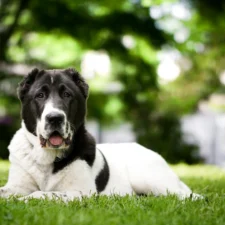


There is something special about sharing your life with a giant dog. Whether your canine companion is a Great Dane, Saint Bernard, Mastiff, Newfoundland, Irish Wolfhound, or another large breed, these gentle giants often have a way of taking up both physical space and a huge place in your heart. At Pendleton Veterinary Clinic, your trusted Pendleton, IN, veterinary clinic, helping owners navigate care for giant dog breeds is an important part of keeping these remarkable dogs healthy throughout their lives.
While giant breeds share many needs with smaller dogs, their size creates unique challenges that affect nutrition, growth, mobility, and long-term health. Understanding the basics of caring for giant-breed dogs, recognizing common health concerns in giant-breed dogs, learning about proper nutrition for giant-breed dogs, and prioritizing veterinary care for large dogs can help your furry friend enjoy a happier, healthier life.
What Is Considered a Giant Breed Dog?
While definitions vary slightly, giant breed dogs are generally those that reach more than 100 pounds as adults.
Many giant breeds continue growing longer than smaller dogs and often do not reach full maturity until nearly two years of age.
Common Giant Dog Breeds
Examples include:
- Great Dane
- Saint Bernard
- Newfoundland
- Mastiff
- Irish Wolfhound
- Leonberger
- Great Pyrenees
These dogs may differ in personality and appearance, but they often share similar health and care considerations.
Why Giant Dogs Have Different Needs
Size affects nearly every aspect of a dog’s health.
A giant breed dog’s bones, joints, muscles, and internal organs all work harder to support a much larger body.
Because of this, preventive care becomes especially important throughout every life stage.
Areas Commonly Affected by Size
Large body size can influence:
- Joint health
- Mobility
- Growth patterns
- Nutrition needs
- Exercise requirements
- Lifespan considerations
Understanding these factors helps owners provide appropriate support from puppyhood through the senior years.
Giant Breed Puppies Need Special Care
One of the most important periods in the care of giant dog breeds is puppyhood.
Unlike smaller breeds that mature relatively quickly, giant breed puppies experience prolonged growth periods.
Growth Happens Fast
Giant breed puppies may gain substantial weight during their first year of life.
Because their skeletons are developing rapidly, proper nutrition and growth management are especially important during this stage.
Healthy growth focuses on steady development rather than rapid weight gain.
Nutrition for Giant Breed Dogs Starts Early
Proper nutrition for giant-breed dogs supports healthy growth and development.
Giant-breed puppies have different nutritional needs than smaller breeds because rapid growth can place additional stress on developing joints and bones.
Nutritional Goals for Growing Dogs
Good nutrition supports:
- Bone development
- Muscle growth
- Joint health
- Healthy body condition
- Overall wellness
Your veterinarian can provide guidance tailored to your dog’s age, breed, and growth stage.
Maintaining a Healthy Weight Is Essential
Weight management is important for every dog, but it becomes especially significant for giant breeds.
Extra pounds place additional strain on already hard-working joints and muscles.
Benefits of Healthy Weight Management
Maintaining appropriate body condition may help support:
- Mobility
- Joint comfort
- Activity levels
- Overall health
- Quality of life
Even modest weight gain can have a greater impact on large dogs because of the additional forces placed on their bodies.
Joint Health Deserves Special Attention
Many health concerns in giant-breed dogs involve the joints.
Because these dogs carry substantial body weight, their joints experience significant stress throughout life.
Areas Commonly Affected
Joint concerns may involve:
- Hips
- Knees
- Elbows
- Shoulders
- Spine
Supporting joint health early may help maintain comfort and mobility as your dog ages.
Exercise Matters, But Balance Is Important
Exercise helps maintain muscle strength, cardiovascular health, and mental enrichment.
However, giant breeds often benefit from balanced activity rather than excessive high-impact exercise.
Healthy Activities May Include
- Walks
- Swimming
- Controlled play sessions
- Gentle hiking
- Enrichment activities
Appropriate exercise plans vary depending on age, health status, and individual needs.
Avoid Overdoing Exercise During Growth
Puppies often seem to have endless energy.
However, growing giant breed dogs still have developing bones and joints.
Why Moderation Matters
Excessive impact may place stress on:
- Growth plates
- Developing joints
- Soft tissues
A balanced approach helps support healthy development without overloading immature structures.
Understanding Bloat and Gastric Dilatation-Volvulus
One of the more serious health concerns for giant-breed dogs involves a condition commonly called bloat.
Bloat occurs when the stomach fills with gas and becomes enlarged.
In some cases, the stomach may twist, creating a life-threatening emergency known as gastric dilatation-volvulus (GDV).
Symptoms May Include
- Restlessness
- Abdominal enlargement
- Unproductive retching
- Excessive drooling
- Signs of discomfort
Immediate veterinary attention is required if these symptoms develop.
Heart Health in Giant Breeds
Some giant breeds may have an increased risk of certain heart conditions.
Routine veterinary evaluations help monitor overall cardiovascular health throughout life.
Signs That Deserve Evaluation
Contact your veterinarian if you notice:
- Exercise intolerance
- Persistent coughing
- Weakness
- Breathing changes
- Reduced stamina
Early detection allows for more informed healthcare decisions.
Large Dog Veterinary Care
Routine wellness visits are especially important for giant breeds.
Because these dogs can be predisposed to certain health concerns, regular monitoring often helps identify issues before they become advanced.
Wellness Visits May Include
- Physical examinations
- Weight assessments
- Mobility evaluations
- Nutritional discussions
- Preventive care recommendations
Consistent veterinary care for large dogs helps support lifelong wellness.
Creating a Comfortable Home Environment
Simple changes around the home can improve comfort for giant breed dogs.
Helpful Home Adjustments
Consider:
- Supportive bedding
- Easy access to food and water
- Non-slip flooring
- Comfortable resting areas
- Safe exercise spaces
These adjustments may become increasingly valuable as dogs age.
Caring for Senior Giant Breed Dogs
Giant breeds often enter their senior years earlier than smaller dogs.
Changes in mobility, energy level, and comfort may become noticeable with age.
Common Senior Concerns
These may include:
- Arthritis
- Reduced stamina
- Muscle loss
- Mobility challenges
- Weight fluctuations
Routine veterinary care becomes increasingly important during this life stage.
Monitoring Mobility Changes
Many giant dogs remain active well into their senior years.
However, subtle mobility changes can sometimes indicate developing joint or orthopedic concerns.
Watch for Signs Such As
- Difficulty standing
- Reluctance to climb stairs
- Slower walks
- Hesitation before jumping
- Increased resting
Early evaluation often provides more opportunities to support comfort and mobility.
Mental Enrichment Is Important Too
Large dogs need more than physical exercise.
Mental stimulation plays an important role in overall well-being.
Enrichment Ideas
Consider:
- Puzzle toys
- Training sessions
- Scent games
- Interactive play
- New walking routes
Keeping your dog’s mind engaged helps promote a balanced and fulfilling lifestyle.
Why Preventive Care Matters
Preventive care forms the foundation of effective care for giant dog breeds.
Many health concerns become easier to manage when identified early.
Preventive Care Helps Support
- Long-term wellness
- Mobility
- Comfort
- Healthy aging
- Quality of life
Regular veterinary visits allow your healthcare team to monitor changes over time and provide individualized recommendations.
Building a Strong Foundation for Lifelong Health
Successful care for giant breed dogs involves more than simply providing food and exercise.
These remarkable companions benefit from thoughtful nutrition, weight management, joint support, preventive care, and close monitoring throughout life.
By understanding common giant breed dog health concerns, prioritizing proper nutrition for giant breed dogs, and maintaining routine large dog veterinary care, you can help your gentle giant enjoy many happy years by your side.
The AKC has a helpful piece about caring for giant dogs. PetMD also covered large dog care.
FAQ
What is considered a giant breed dog?
A giant breed dog is generally one that weighs more than 100 pounds as an adult. Examples include Great Danes, Saint Bernards, Newfoundlands, Mastiffs, and Irish Wolfhounds.
These breeds often have unique nutritional, orthopedic, and healthcare needs because of their size.
What are common giant breed dog health concerns?
Common health concerns in giant breed dogs may include joint problems, mobility issues, arthritis, heart conditions, and bloat. Because larger dogs place greater stress on their bodies, preventive care and routine monitoring are especially important.
Your veterinarian can help identify risk factors specific to your dog’s breed and lifestyle.
What is the best nutrition for giant breed dogs?
Proper nutrition for giant-breed dogs focuses on supporting healthy growth, maintaining an appropriate body condition, and promoting overall wellness. Nutritional needs vary depending on age, breed, activity level, and health status.
Veterinary guidance can help ensure your dog receives appropriate nutrition throughout life.
Do giant breed dogs need different exercise than smaller dogs?
Yes. Giant breeds often benefit from balanced, controlled exercise that supports muscle strength and mobility without excessive joint impact. Puppies in particular should avoid activities that place excessive stress on developing bones and joints.
Exercise plans should be tailored to each dog’s age and physical condition.
How often should giant breed dogs see a veterinarian?
Routine wellness visits are recommended throughout life, with additional visits as needed for health concerns. Regular veterinary care for large dogs allows veterinarians to monitor growth, weight, mobility, and overall health.
Preventive care becomes especially important as giant breeds enter their senior years.
Schedule a Wellness Visit at Our Pendleton, IN Veterinary Clinic
Proper care for giant dog breeds supports comfort, mobility, and long-term health at every life stage. At Pendleton Veterinary Clinic, our veterinarians in Pendleton, IN, guide care for giant-breed dogs, monitor their health, optimize nutrition, and deliver comprehensive large-dog veterinary care. If you have questions about your gentle giant or have been searching online for a trusted “vet near me,” contact our veterinary clinic today to schedule an appointment and discuss your dog’s individual healthcare needs.
This blog is intended for informational purposes only. Always consult your veterinarian for medical advice, diagnosis, treatment recommendations, nutritional guidance, and healthcare decisions regarding your pet.
Do you want to learn more about our Pendleton, IN, animal hospital? Our Service page is a great place to start. Here you’ll find overviews of all the top-notch veterinary care services we offer. These range from basics, such as Wellness and Vaccinations, to specialized care such as Laser Therapy, Critical Care, and more.